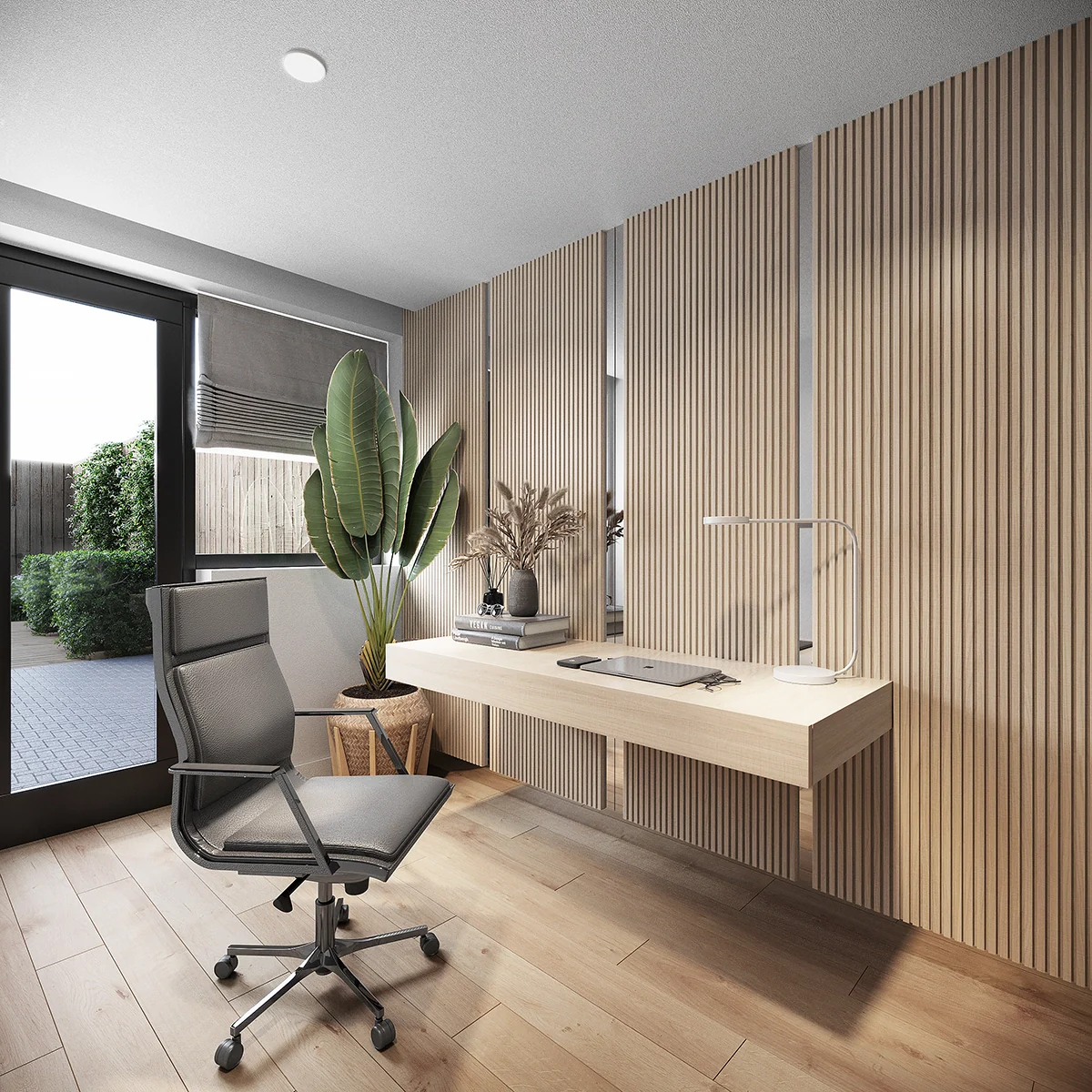
In short As an interior designer, you sell a design that does not yet exist. A 3D visualization lets your client see the final result before anything is built, which removes doubt and speeds up decisions. Here you will learn how to put visualizations to work in your process, from sketch to presentation.
Interior designers create a more aesthetically pleasing environment for the occupants of a building or a home. Yet even the most experienced and advanced interior designer runs into the problem of communicating their ideas to the client effectively. Or at least, they used to run into this problem. Thanks to 3D visualizations, that is no longer the case. 3D visualizations in interior design are essential today. Let us unpack this fact further to find out why an interior designer uses interior visualization.
What is interior visualization?
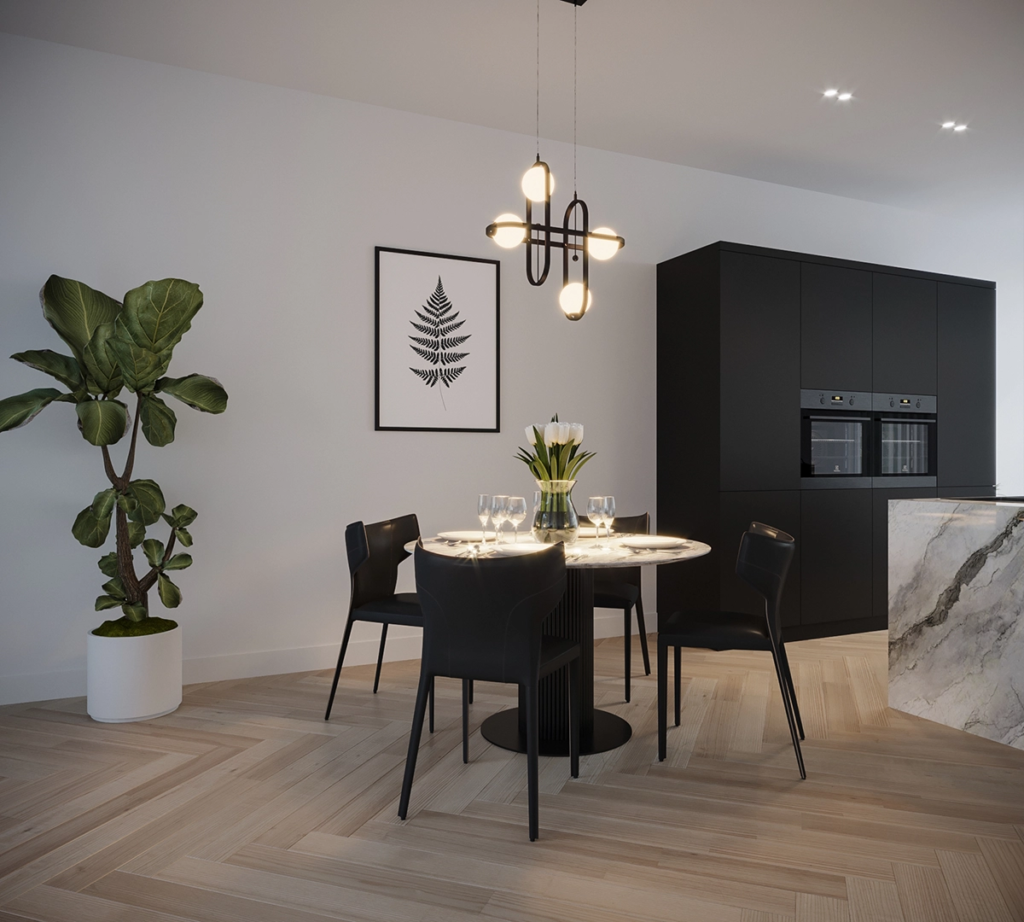
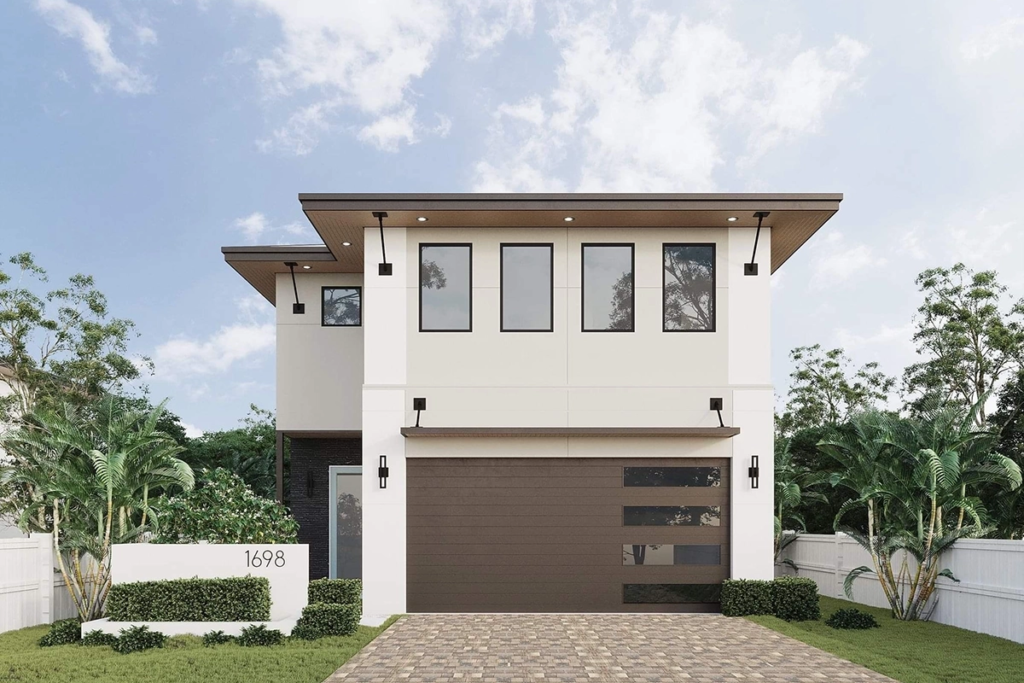
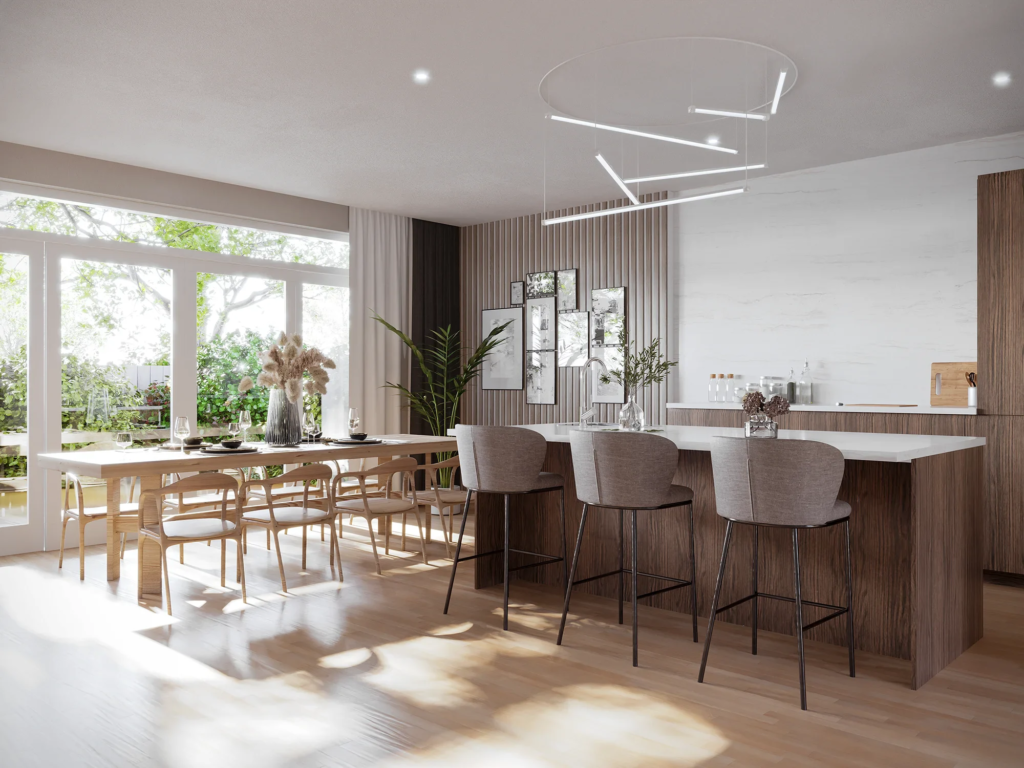
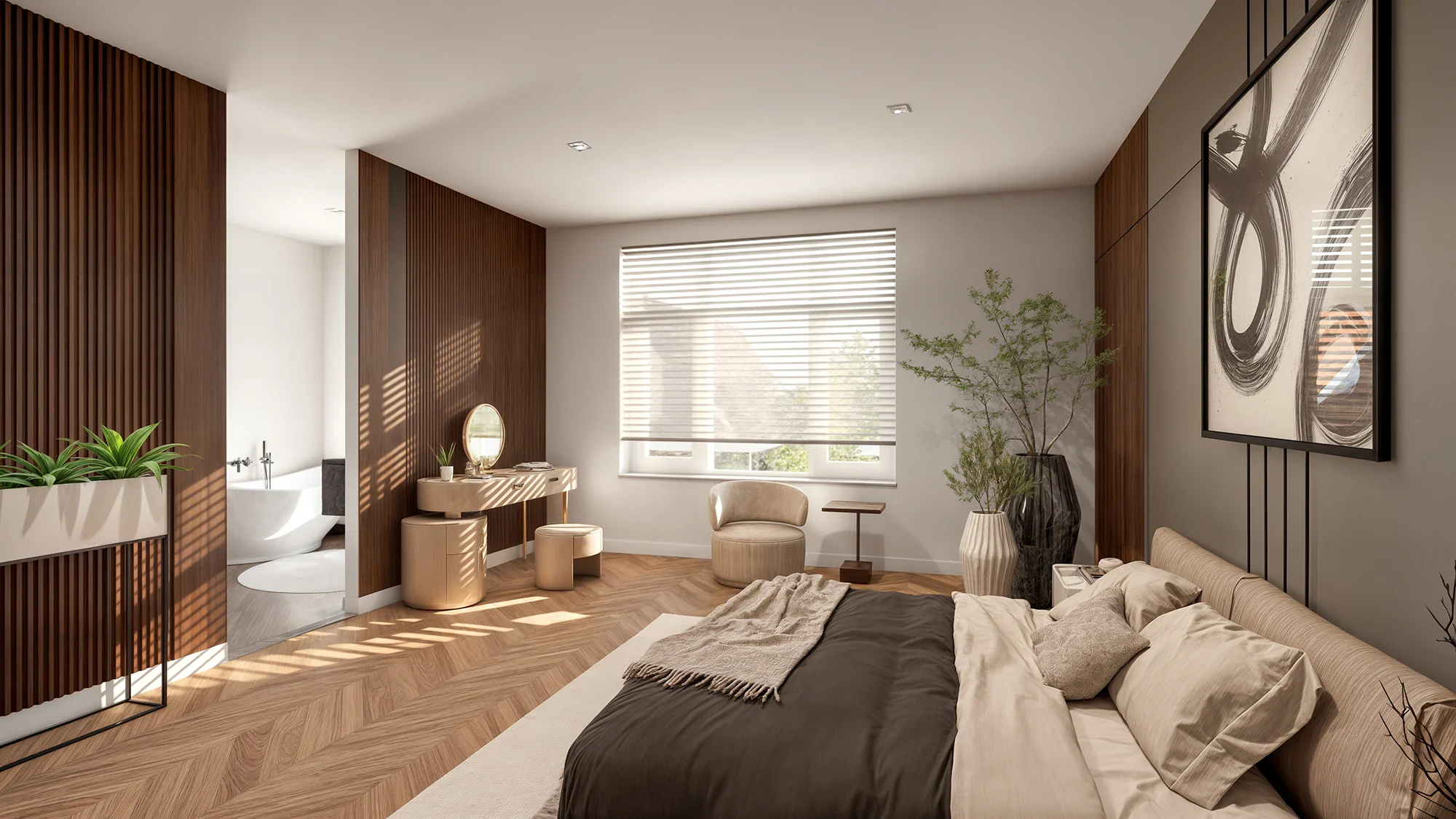
Interior visualizations are 3D renderings of an interior design. They allow designers to turn their ideas into beautiful, aesthetically refined 3D images. In the past, an interior designer depended on time-consuming methods such as drawings, illustrations, clay modeling and so on. Interior visualization is a fast, cost-effective and accurate way to show an interior designer’s idea to the client. You can also use photorealistic 3D images of an interior design to attract potential clients. The process has never been this fast and effective.
Why an interior designer needs visualizations
Interior visualizations offer a better and more effective way to convey ideas to clients. They can also be combined with advanced technologies such as Virtual Reality and Augmented Reality to deliver the best possible interactive experience to clients. Let us look at how interior visualization has changed the entire interior sector for the better:
Realism no illustration can match
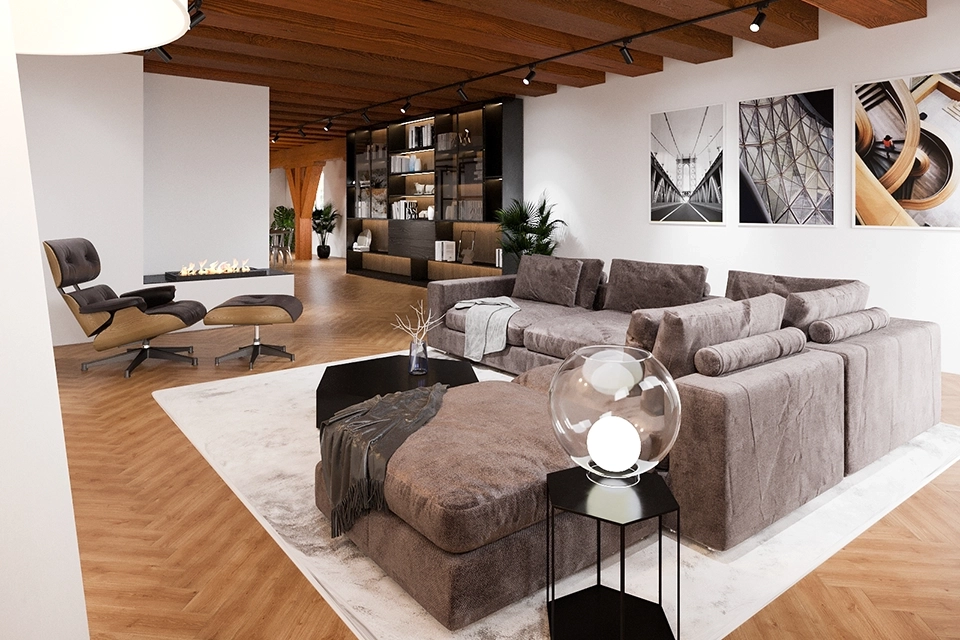
While there are illustrators who can create lifelike drawings on paper, there are not many of them, and it is also time-consuming. 3D models, on the other hand, give a lifelike rendering of a design. This lets the client form a clear picture of the space. The realistic depiction of the design effectively reflects the skills and experience present in the sector. That makes it easier for the client to judge whether they want to work with the design or not. It also increases the chance of winning the commission. No traditional illustration comes anywhere close when it comes to delivering a certain level of realism.
Attracting new clients is easier than ever for an interior designer
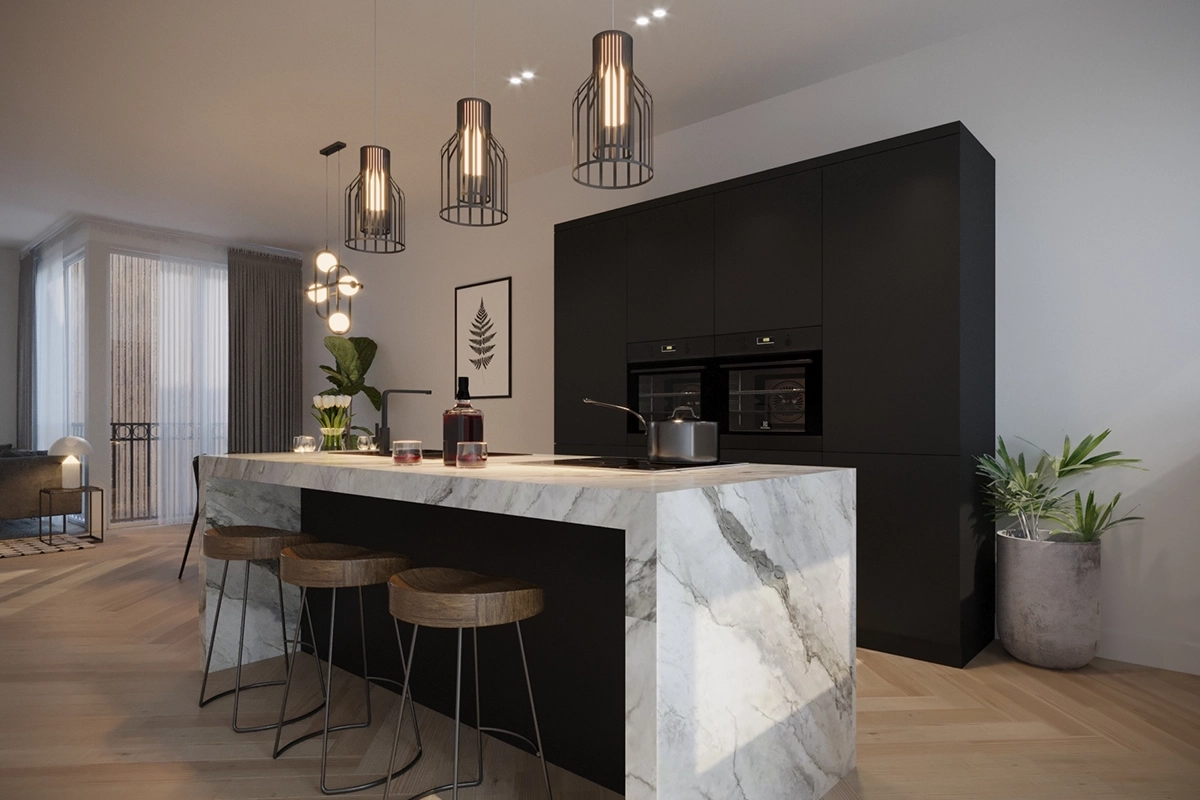
Instead of presenting complicated illustrations of a design, designers can now present a photorealistic 3D rendering to their clients. These renderings convey the idea far more effectively than drawings and physical models. On top of that, you can use your creativity and imagination to have mind-blowing 3D renderings of your designs made and place them on your website and social media. These 3D renderings will directly reflect your expertise and experience in the industry. Clients can make a sound assessment of whether or not they want to use your services.
Easy to create
Presenting a design with the help of a 3D model is quick and easy to create, provided you choose the right partner or program. With 3D software, you can create lifelike 3D renderings of the design. Everything you need to impress your clients or attract potential ones. Make sure you choose the best 3D software to ensure a fast learning curve. Or partner with a rendering studio. You do not need complicated 3D software like Houdini to get this job done. A good rendering partner can help you deliver consistently strong visualizations.
A high chance of design approval as an interior designer
3D models, as mentioned, convey the idea better than any other method. With these 3D models you can present and explain the design effectively. What is more, you can add the dimensions of every aspect of your design to get an even more detailed depiction of it. On top of that, these photorealistic 3D renderings look aesthetically appealing, which sharply increases the chance of your interior designs being approved.
Easily make changes to the design
Unlike the traditional, complicated illustrations, 3D renderings are easy to create and edit. Picture a situation where you need to adjust a few dimensions in your design: that would be hard to do with a physical clay model or a specific drawing. 3D models, on the other hand, can be edited with a few taps on your keyboard. On top of that, you can easily swap or shift elements in your virtual 3D environment with just a few clicks. Creating and editing these designs has never been this easy.
Conclusion
There is no doubt that 3D modeling has revolutionized interior design by making the processes fast, cost-effective and less time-consuming. Interior design has reached a point where it would cease to exist without the help of technology, and 3D visualization in particular.
Interior visualization has helped interior designers around the world present their ideas to clients in the best possible way. Clients get to see the photorealistic visualization of the design, and the designers can convey their idea more clearly. This has created a win-win situation for both parties. The 3D models can be created easily with suitable software and capable hardware, and can even be reused in future designs.
So even if you are a traditionalist who prefers nostalgic methods and dislikes these modern techniques, you cannot help but admit that interior visualization has revolutionized the interior industry and turned the difficult task of impressing clients into child’s play. Applying 3D visualization to interior design is, without a doubt, highly effective.