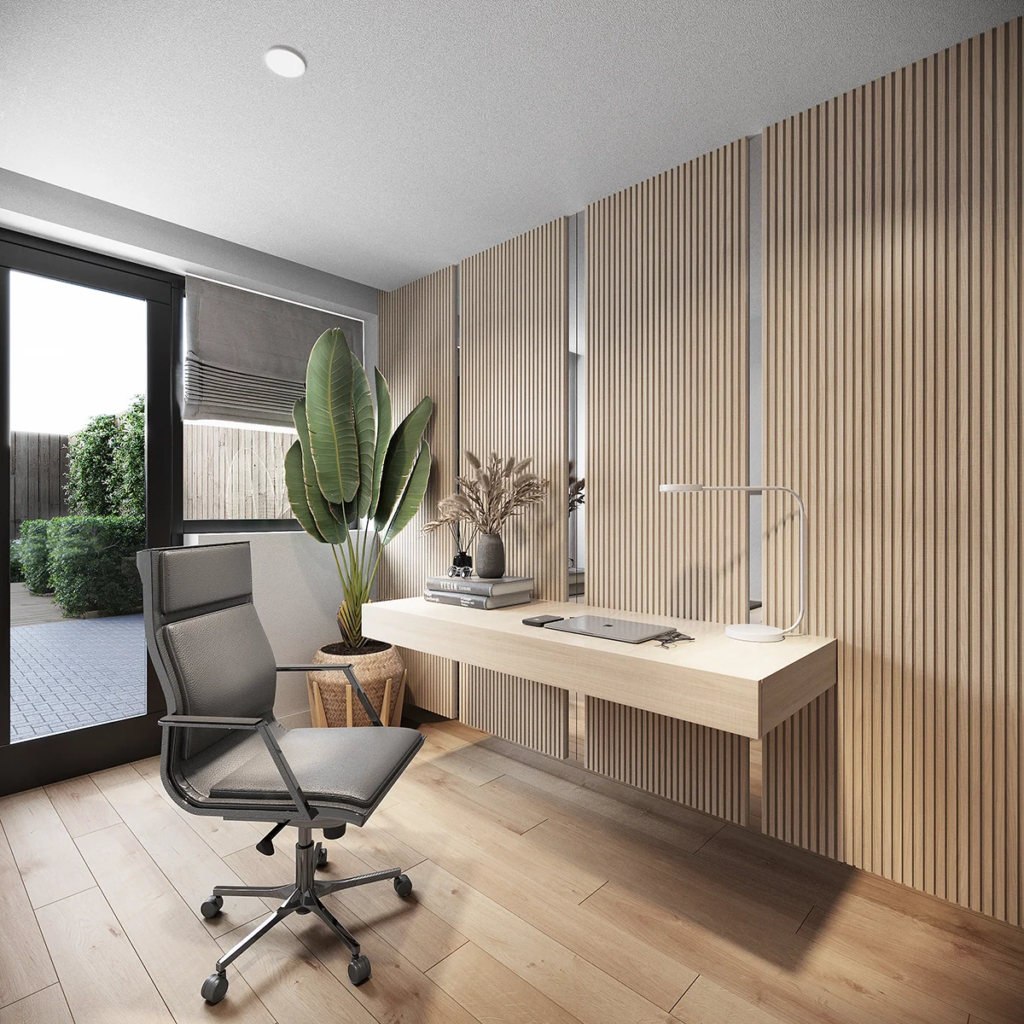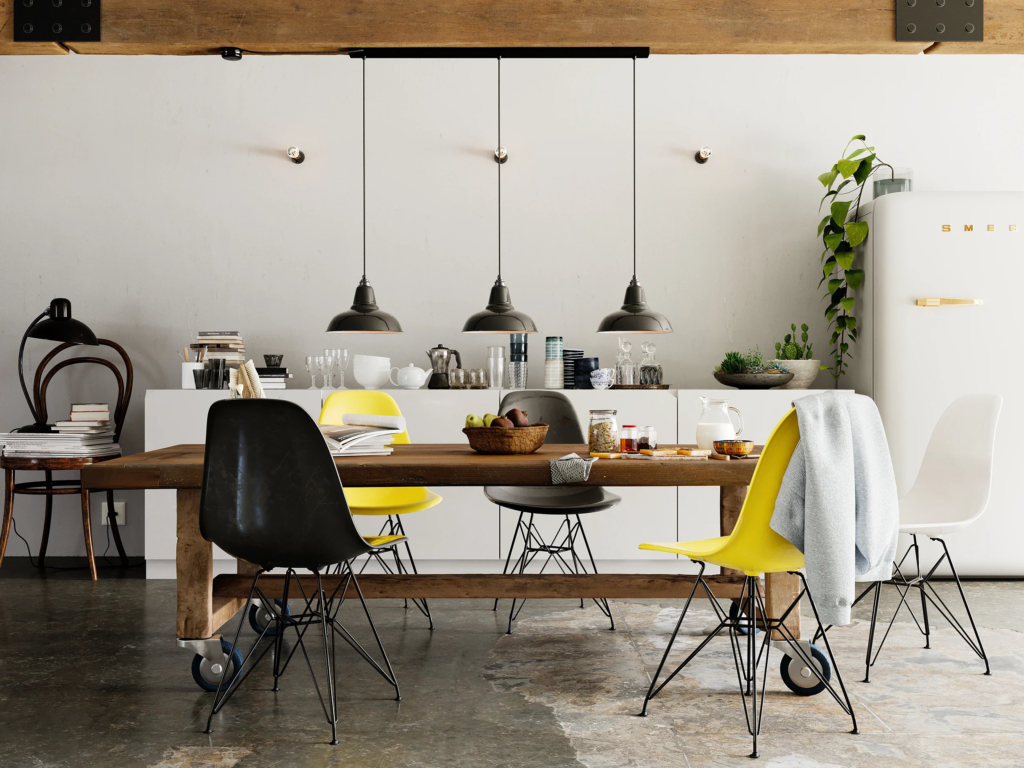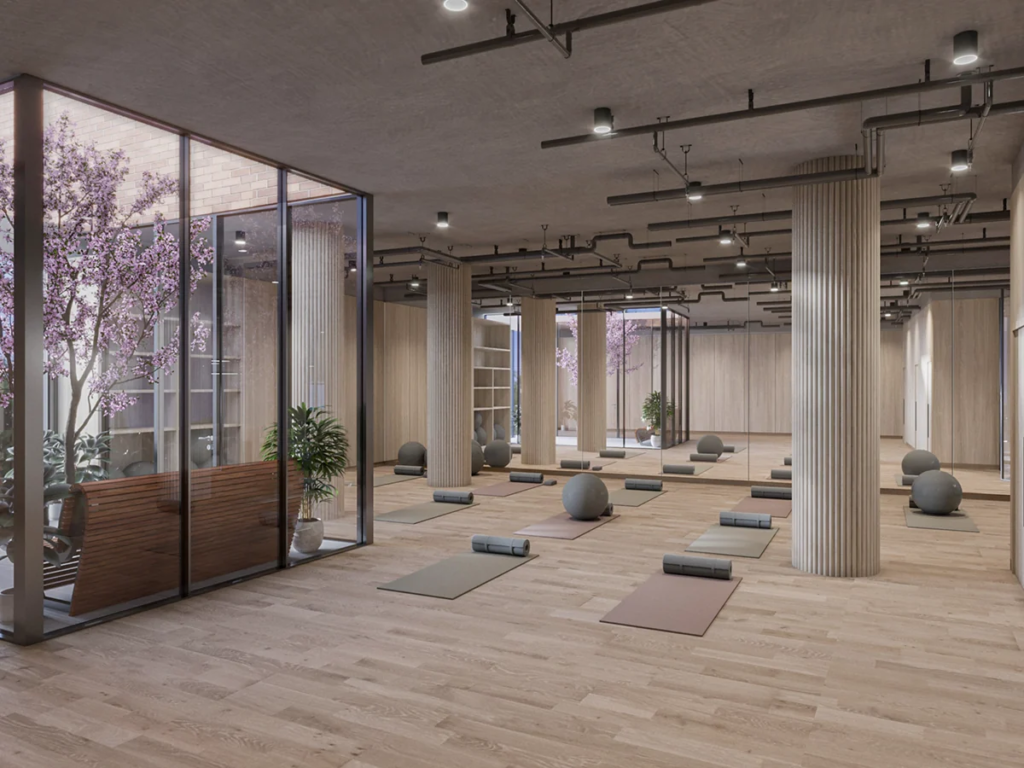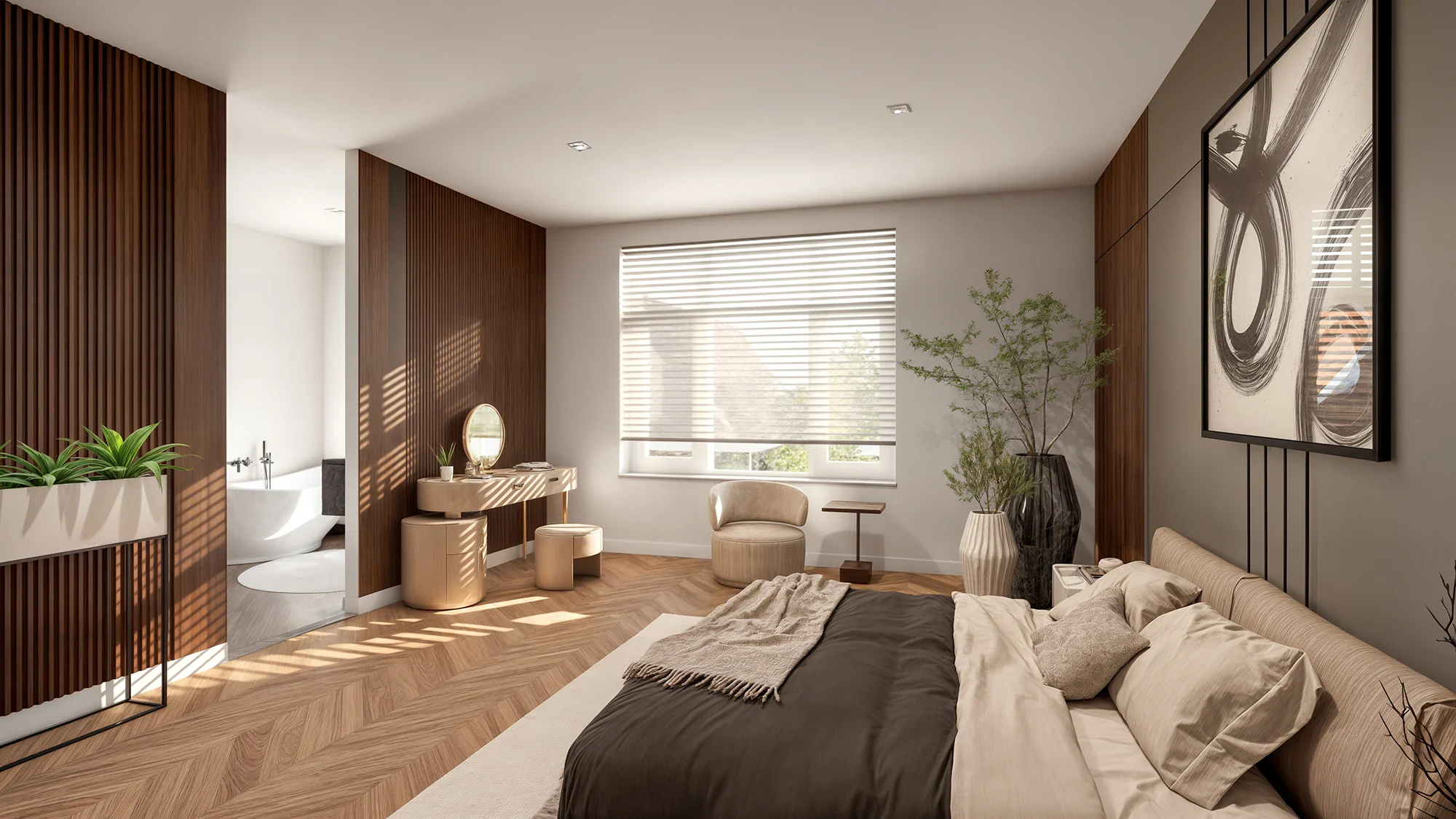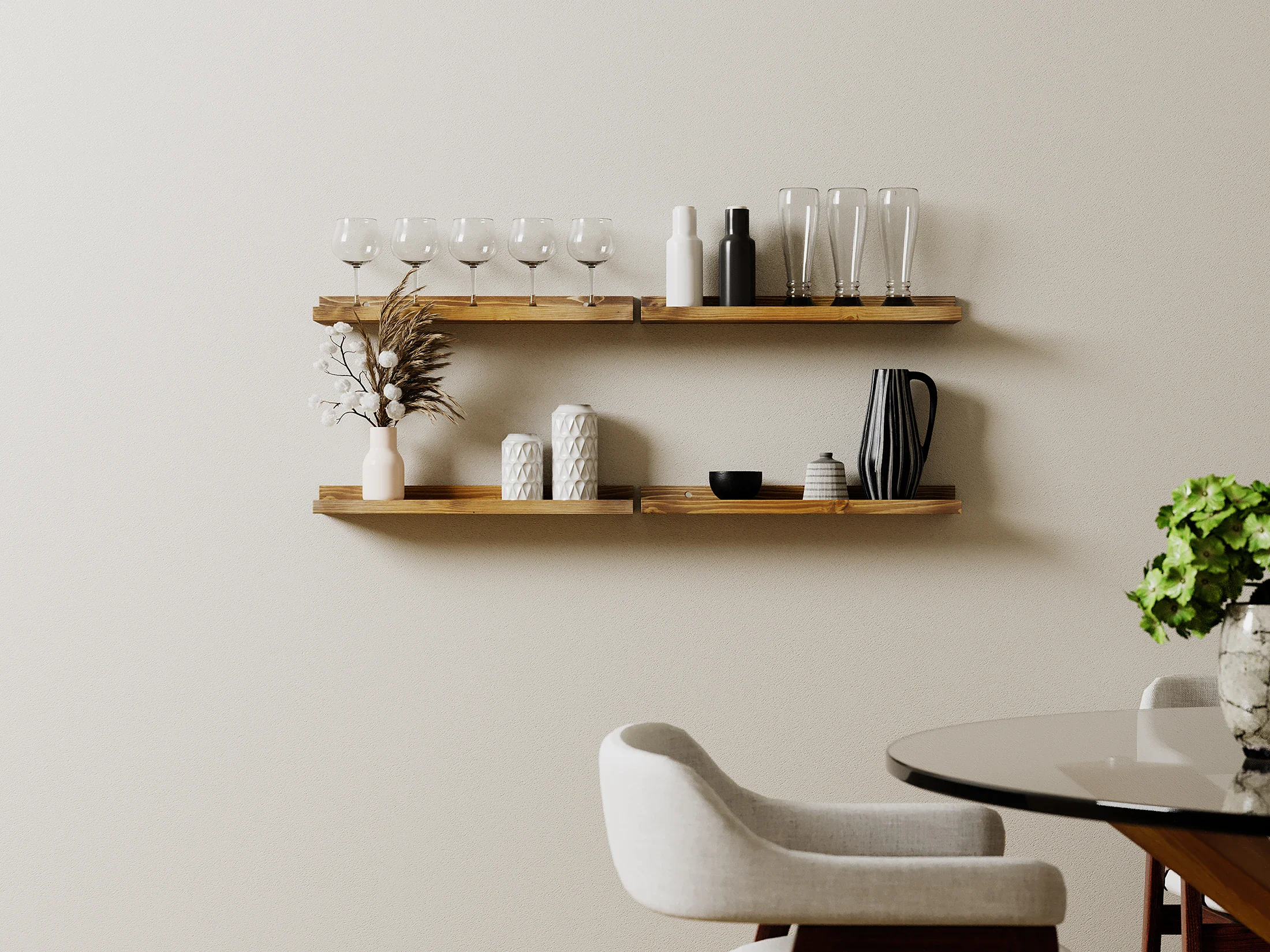
In short A product visualization is a photorealistic 3D image of a product, created without a physical sample or photo studio. Brands use it for webshops, campaigns and social media. We show you why it is increasingly replacing photography and what it delivers.
If you have an eye for interior design, chances are that many of the stunning products you have seen on social media are actually products created through 3D product visualization. It looks almost like furniture photography, with the power to captivate your target audience and give you absolute creative freedom, at a lower price than traditional photography. Do you have questions about this remarkable technique that is steadily taking over the interior world? Luckily, we can help. Here is everything you need to know about product visualization.
What are product visualizations?
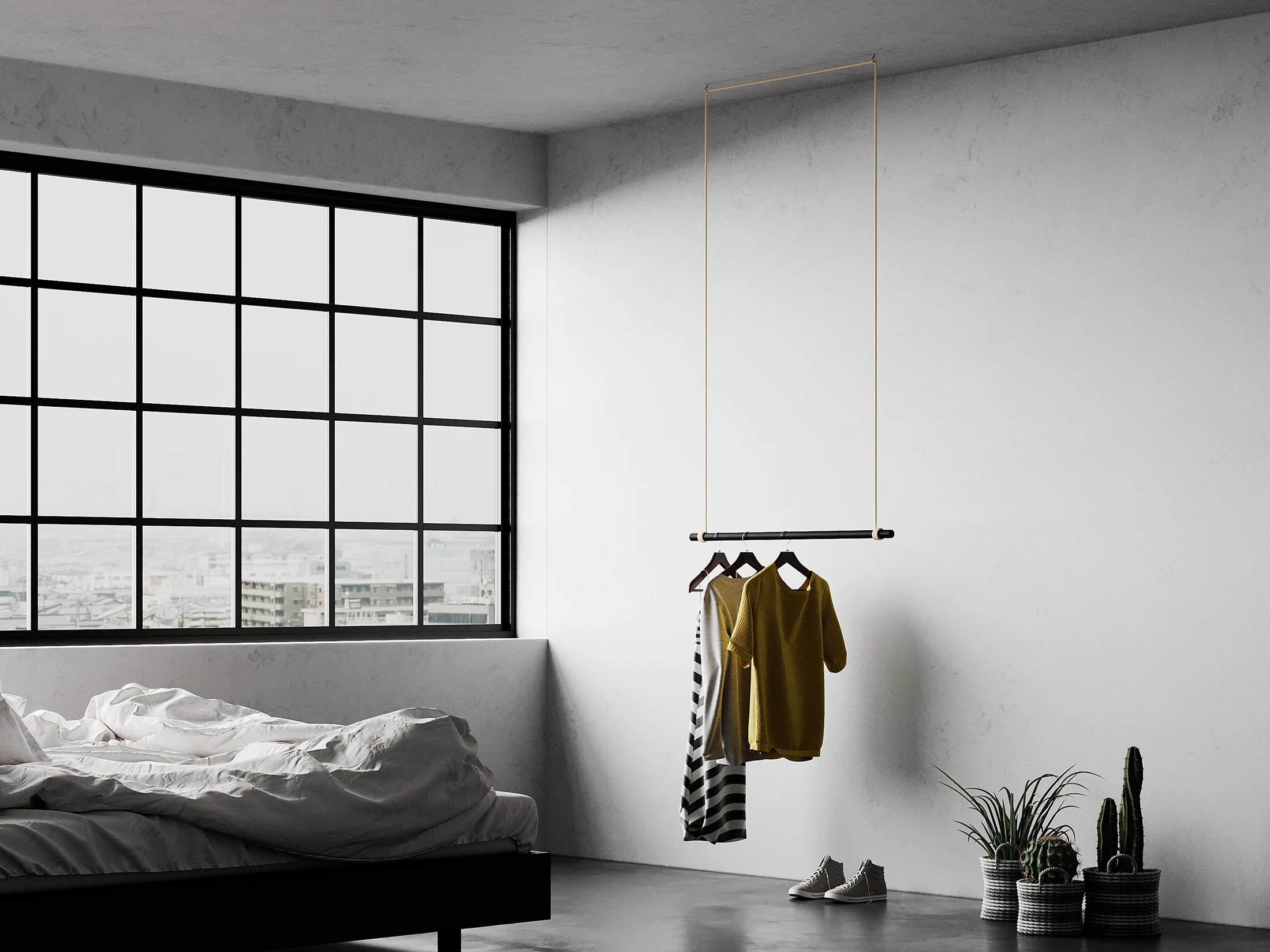
Rendering is the process of adding physical attributes or details to a mesh or a wireframe to create lifelike, realistic images on a computer screen. When it comes to furniture, product visualizations are used to give interior designers, decorators and architects a clear picture of the possible outcome of their carefully structured blueprint. This in turn helps them play with the model, adding or removing details to achieve the desired result.
This enormous advance in the interior design industry has led more and more people to choose this computer-aided 3D design, which has made the use of product visualization popular, a market innovation in its own right. Interior designers often use V-Ray rendering software to render their 3D models photorealistically.
What is the difference between a 3D model and product visualizations?
3D modeling and visualization can look very much alike and mainly come down to one single factor: both rely on computer-generated 3D imagery. This is where it gets confusing, so let us simplify things for you. 3D modeling is the development process of building, constructing and connecting pieces in a digital workspace. It is like a mathematical representation of a particular object. Visualization is the process of turning a 3D model into an image, video or animation. It comes with special effects that contribute to a lifelike rendition of the image or rendering result in question. Let us take a closer look at the distinguishing factors.
- Product visualizations produce different output files
Product visualizations produce different output files
A 3D modeling assignment results in a 3D geometric file. A render, on the other hand, is its artistic rendition. It can be delivered in the form of an image, a video or an animation. Those animated films we all love? That is 3D rendering in all its glory.
- One follows the other
One follows the other
3D modeling is step one. It is the foundation on which 3D rendering is built. Without 3D modeling, 3D rendering is not an option, because then you have no digital assets to work with. 3D modeling is like the clay figures you made at school, or the cardboard projects you put together. That is where the modeling ends. 3D rendering makes this 3D model photorealistic. That is why the technique is also called a visualization process.
- 3D models are versatile
3D models are versatile
3D models are highly versatile. They can be adjusted easily, and that is one of the reasons why you will notice that 3D models created by a professional can change drastically by the time they reach a client.
Product visualizations, on the other hand, offer plenty of possibilities to begin with. There are exceptions, though: furniture rendered in 3D can be used against different backgrounds, with changes in lighting and texture. You can also reuse a rendered scene for various pieces of furniture; by adopting new backgrounds or ambient lighting settings, you create new spaces easily. If you are still confused, that is fine. You can ask our studio to help you work out which type of service you need.
How much does a product visualization cost?
As a general rule of thumb: the more complex the design, the higher the rendering costs.
For example, a full architectural visualization can easily cost you more than a thousand euros, but if you focus on a specific product in a specific interior, you can expect an amount between 350 and 600 euros.
Product visualizations simply do not have a fixed cost structure. It comes down to three factors:
- The complexity of the furniture piece or product to be modeled in 3D.
- The level of detail of the scene in which you want the furniture rendered.
- The industry for which the 3D furniture rendering is done.
A number of factors such as deadlines and the size of the files can strongly influence the cost structure of a product visualization. So make sure you always order your renders well in advance to avoid having to pay extra.
The benefits of product visualizations
- A fantastic designer tool, because it lets you visualize your design in a specific setting and experiment with multiple materials, textures and colors.
- You can test demand for a product before you produce it. You can literally show your product and gather consumer data, such as your customers’ reactions, thoughts and likes.
- You can run surveys on what your customers prefer before going into production.
- You can use the same 3D-rendered scene with different objects.
- You can also make some edits to the actual scene, such as changing the environment, backgrounds and so on.
In short, a new way to improve your designs, test them on the market to collect extremely valuable data, and make all traditional processes much faster and more cost-efficient.
Studio Renders offers a truly great rendering solution for your interior design or furniture challenge in particular. With the experience and portfolio of our team, you can expect excellent value for money on all kinds of projects, whether you are looking for interior or architectural visualizations, product visualizations, virtual staging or a full-fledged 3D animation.